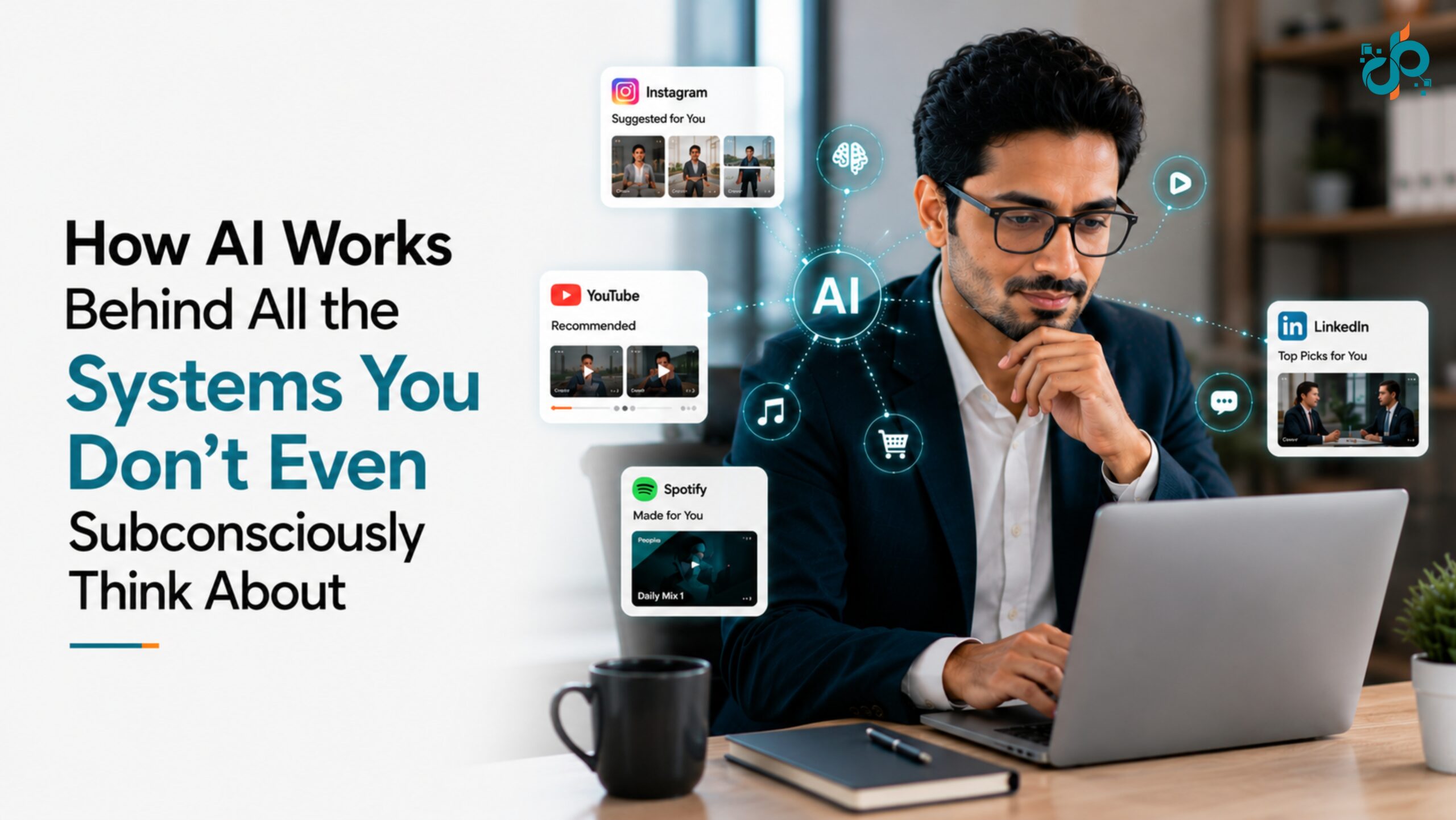
The Internet Is Becoming Different For Every Person: How and Why?
A few years ago, the internet felt more collective. People saw similar trends. Similar viral moments. Similar conversations.
Today?
Two people can open the same app and experience completely different versions of reality.
- Different news.
- Different opinions.
- Different humour.
- Different recommendations.
- Different “popular” content.
And the interesting part is: Most people don’t consciously notice this shift happening. Because it feels normal now. You’ve probably experienced this yourself without realizing it deeply. You search for one thing once, and suddenly.
Instagram starts recommending similar creators, YouTube changes your homepage, Spotify shifts your music suggestions, Amazon begins predicting your next purchase, LinkedIn changes the type of professional content you see. It almost feels like the internet starts adapting to you unusually fast. That’s because modern platforms are no longer simply showing content.
They’re studying behaviour. Not just: “What do you like?” But: “What keeps your attention emotionally active?”
And that changes everything. Think about Instagram for a second. You may consciously think you watched a reel because it was “interesting.” But the algorithm noticed much more than that.
It noticed:
- how long you paused,
- whether you replayed it,
- whether you sent it,
- whether you read the comments,
- whether your scrolling speed slowed down,
- and what kind of content usually keeps you active longer.
Multiply this behaviour across millions of users daily… and platforms slowly become incredibly good at predicting attention patterns. That’s why feeds today feel strangely accurate sometimes. Not because the app “knows your interests.” Because it’s learning your behaviour rhythm. Even culture online is becoming algorithmically accelerated now. Think about how trends spread today.
A meme becomes global overnight. A slang word suddenly appears everywhere. A random audio becomes unavoidable for two weeks. People often think internet culture spreads naturally. But increasingly, algorithms decide what gets amplified aggressively enough to become culture in the first place. That’s a huge shift. Because visibility itself is no longer neutral online. One of the most fascinating changes happening right now is how AI is shaping familiarity.
The more people repeatedly see certain:
- aesthetics,
- opinions,
- communication styles,
- humour formats,
- and creator personalities
the more psychologically “normal” they begin to feel.
Repeated exposure slowly creates comfort. And comfort influences trust. That’s why platforms today are not just influencing what people consume. They’re influencing what people gradually become emotionally familiar with.
And honestly? This is where modern digital literacy starts changing. Earlier, understanding the internet meant: knowing how to use technology.
Now, it may slowly start meaning: understanding how technology influences human behaviour back. Because AI today is not just automating tasks.
It’s quietly shaping:
- attention,
- perception,
- familiarity,
- behaviour,
- and digital experiences themselves.
And most people are interacting with these systems daily without fully realizing how adaptive they’ve already become. Most people think they are exploring the internet freely.
But increasingly, the internet is learning how to explore them too.
Do you think algorithms influence people more than they consciously realize?


Leave a comment